Written by Philipp on 2026-07-22
Tailscale VPN: Connect Your Own Services on Your Own Infrastructure
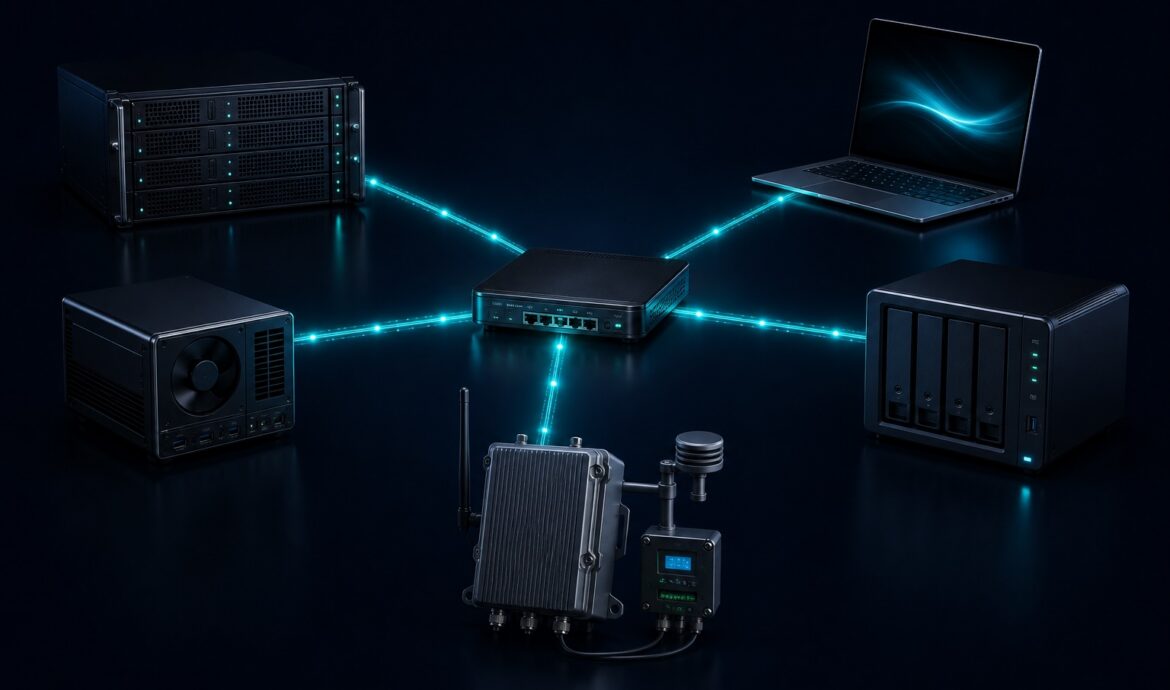
AI . Network . Personal . Security . ToolingProxmox in the data center, a laptop in the home office, a Raspberry Pi at the edge of a field, and a DGX Spark for inference: your own hardware is rarely in one place. NAT, firewalls, and dynamic IPs separate the devices. Manual WireGuard means: exchanging keys, maintaining IPs, updating firewall rules. Tailscale builds on
Written by Philipp on 2020-06-08
Securely Connected Remote Work
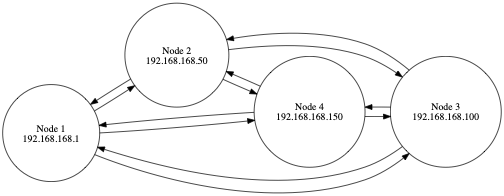
AI . Network . Personal . Security . ToolingConnecting Distributed Nodes with a Nebula VPN Remote work has become the norm in the current situation. In a digital working environment, this should actually offer optimal possibilities. But one thing can become a problem: essential systems required for the daily workflow often cannot be used in a remote-work context. Not every company has set
Written by Philipp on 2019-02-07
Distributed Trust – Reputation Systems in the Blockchain
Security . TechDistributed Reputation Systems in the Blockchain Almost every project that serves the interaction of people uses a concept for evaluating the reputation of its participants. If the implementation is still simple and clear at the beginning of a project, often even a bit naive, the demands grow over the further life cycle of a system.

Written by Philipp on 2018-01-27
How to disable the www-data user to send emails with postfix
Security . ToolingSometimes an insecure configuration allows spammer to use the www-data user to send emails with you postfix server. Normally this is the case, when you get a bunch of error email from your mailserver, that some emails from www-data@hostname.tld could not be delivered. To be sure, that this situation cannot exist, you can add the

Written by Philipp on 2017-05-04
solving Security Error while starting Java WebStart (e.g. IPMI Remote)
Mac . Security . ToolingMost of the IPMI Systems out there still using good old Java based Remote Applications to connect to the remote console. Sine Java 8 update 111, the MD5 singing algorithm was marked as insecure (aka disabled) by Oracale (see Relase Notes for that Release ” Restrict JARs signed with weak algorithms and keys”). You will
Written by Philipp on 2011-11-20
Jenkins/Hudson Password Hash Format
Java . SecurityNice to know: The Build-In Security Realm of Jenkins/Hudson is based on acegisecurity. The Hash is Sha256 based. For a Salt foo and a password bar , you have to Hash bar{foo} , that’s then 77ce9123f864f6749a2b2c99b988089c21d33e39247f7b1276dfad01a112f038 (via hashgenerator.de) You find the Hashes in <Jenkins-Dir>/users/<username>/config.xml it is then storred as <?xml version=”1.0″ encoding=”UTF-8″ standalone=”yes”?> <user>
Written by Philipp on 2011-01-23
setup your public SSH key to another UNIX Host
Security . SnippetsNormally you would prefer to use your public ssh key for login into a remote linux machine. I created a script to perform the basic steps for inserting your public key into the hosts authorized_keys files. The script looks like this: #!/bin/bash HOST=$1; echo “>> setup your ssh keys for $HOST” echo “” echo “>>
Written by Philipp on 2007-11-12
tatsächlich….
Mac . Security…. fast schon wieder n Jahr rum 😉 Also irgendwie komme ich gar nicht mehr dazu hier was zu posten.Hat sich schon eine ganze Menge ereignet in letzter Zeit :-)Achja… heute dann mal in Deutsch wieder, irgendwie ist das Englische grade entfallen.Zuallererst:Ich habe endlich ein Macbook und es ist soooo schön! Zwar in weiß (und langsam
Written by Philipp on 2007-01-21
Die Sache mit den Emails (vorsicht, hoher Geek Faktor!)
Hacking . Security . ToolingDa einem Kollegen von mir Namentlich Bartosz, regelmäßig teilweise wirklich unglaubliche Dinge passieren, habe ich mal angefragt, und werde jetzt hin und wieder daraus etwas schildern…. tada…. *Tusch oder so* Bartosz Welt: Neulich beim abendlichen Chat mit einem Bekannten: < 23:21:19 xxxxxxxxx: die uni bei uns hat jetzt nen neuen spamfilter - exchange spam irgendwas,